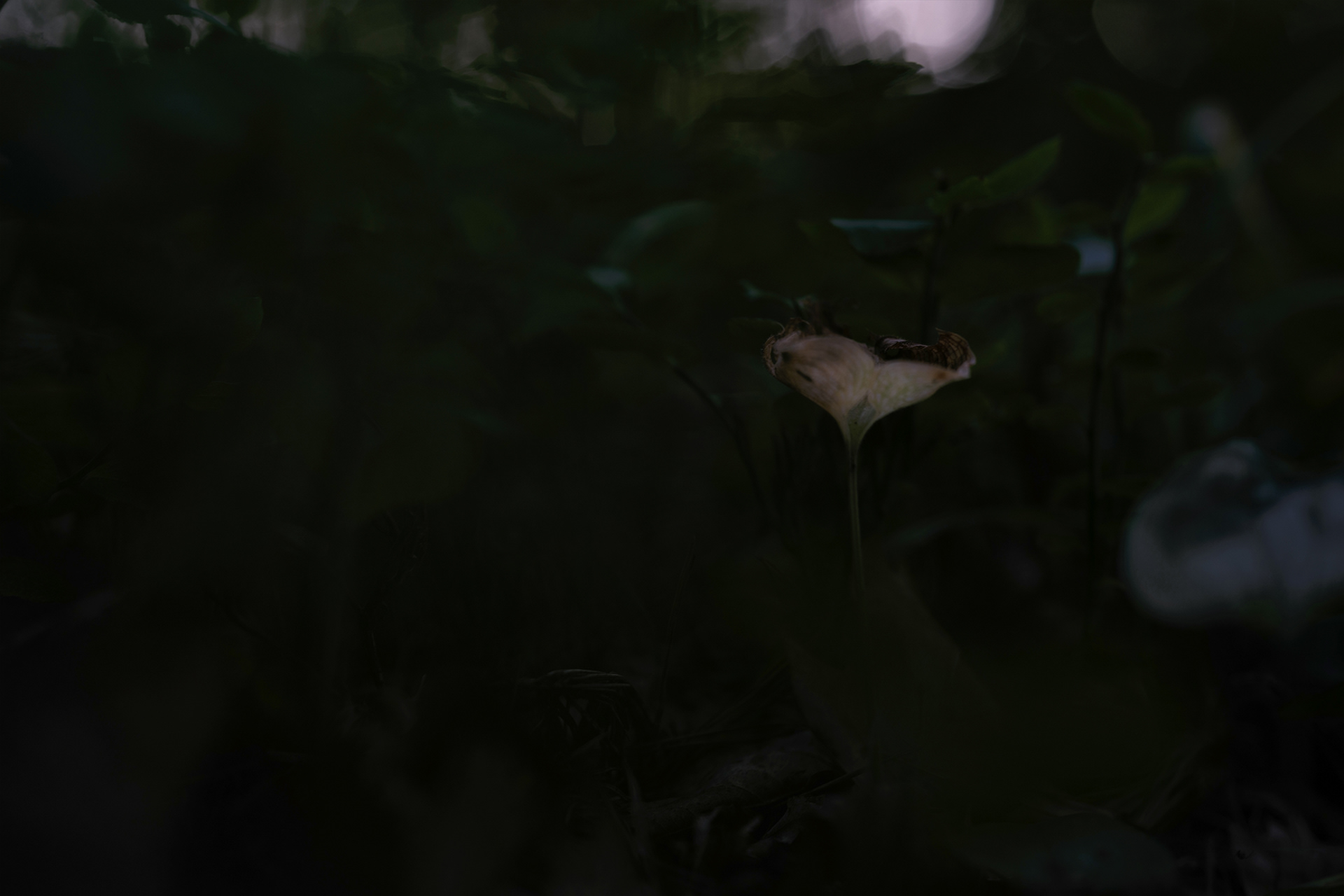
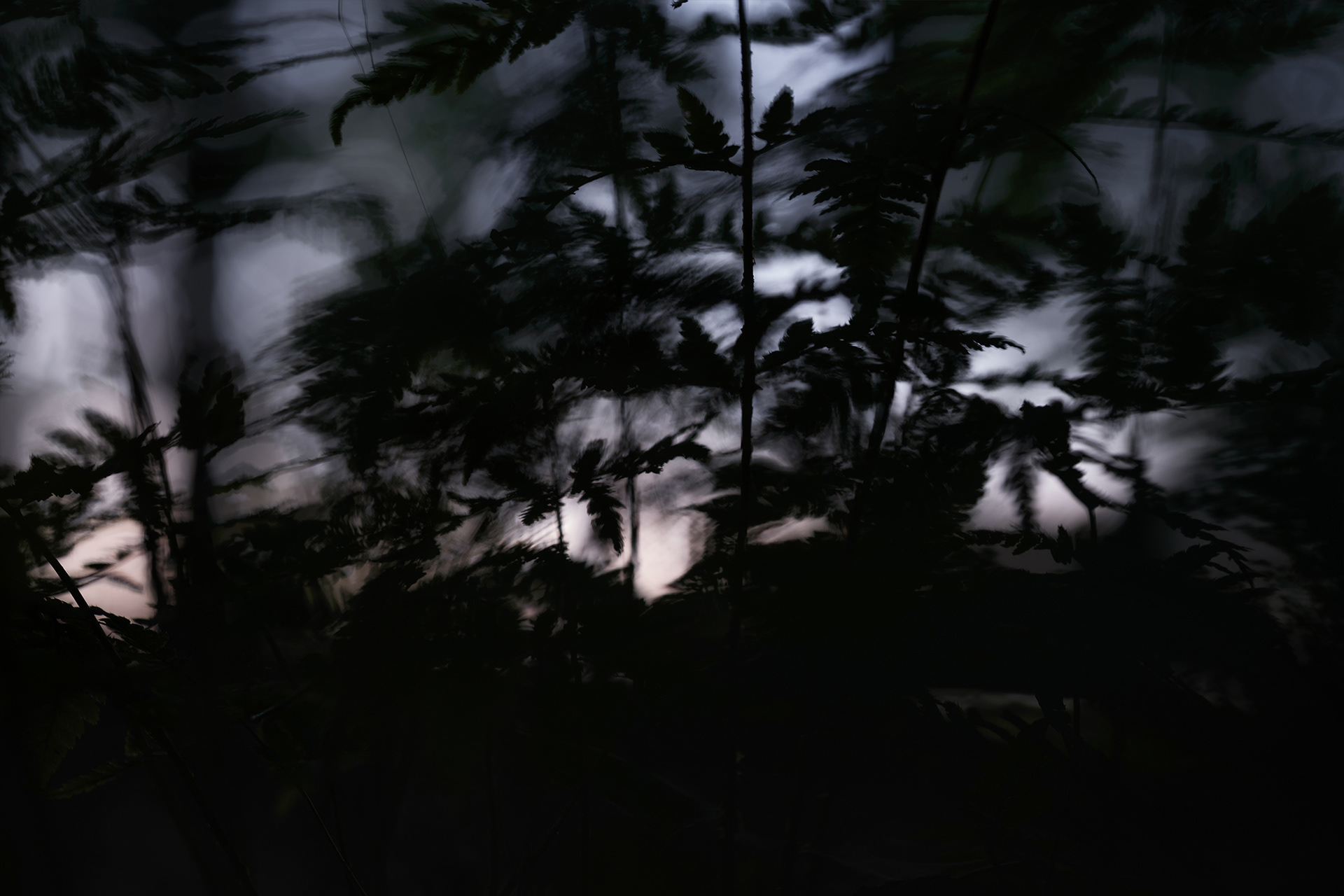
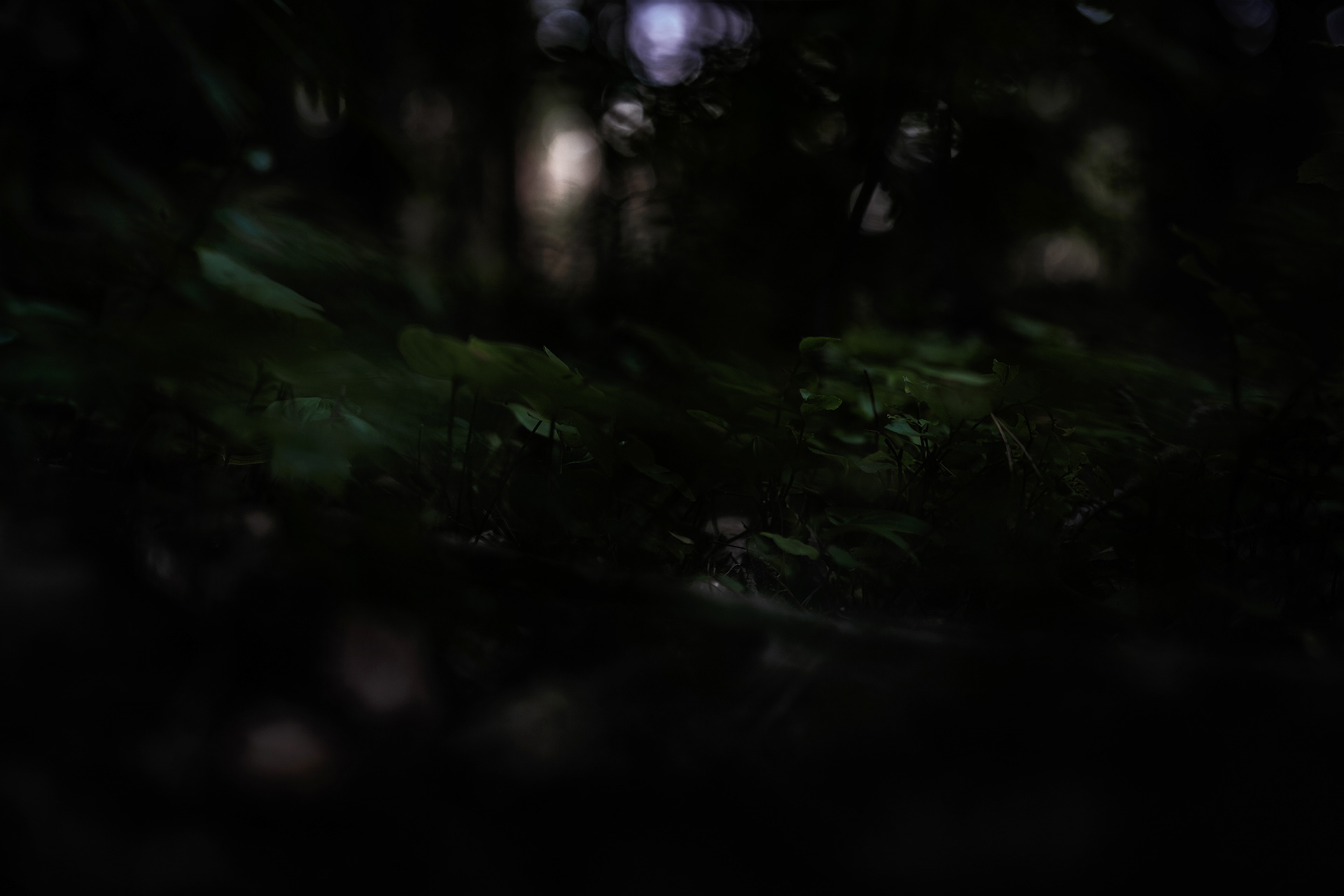
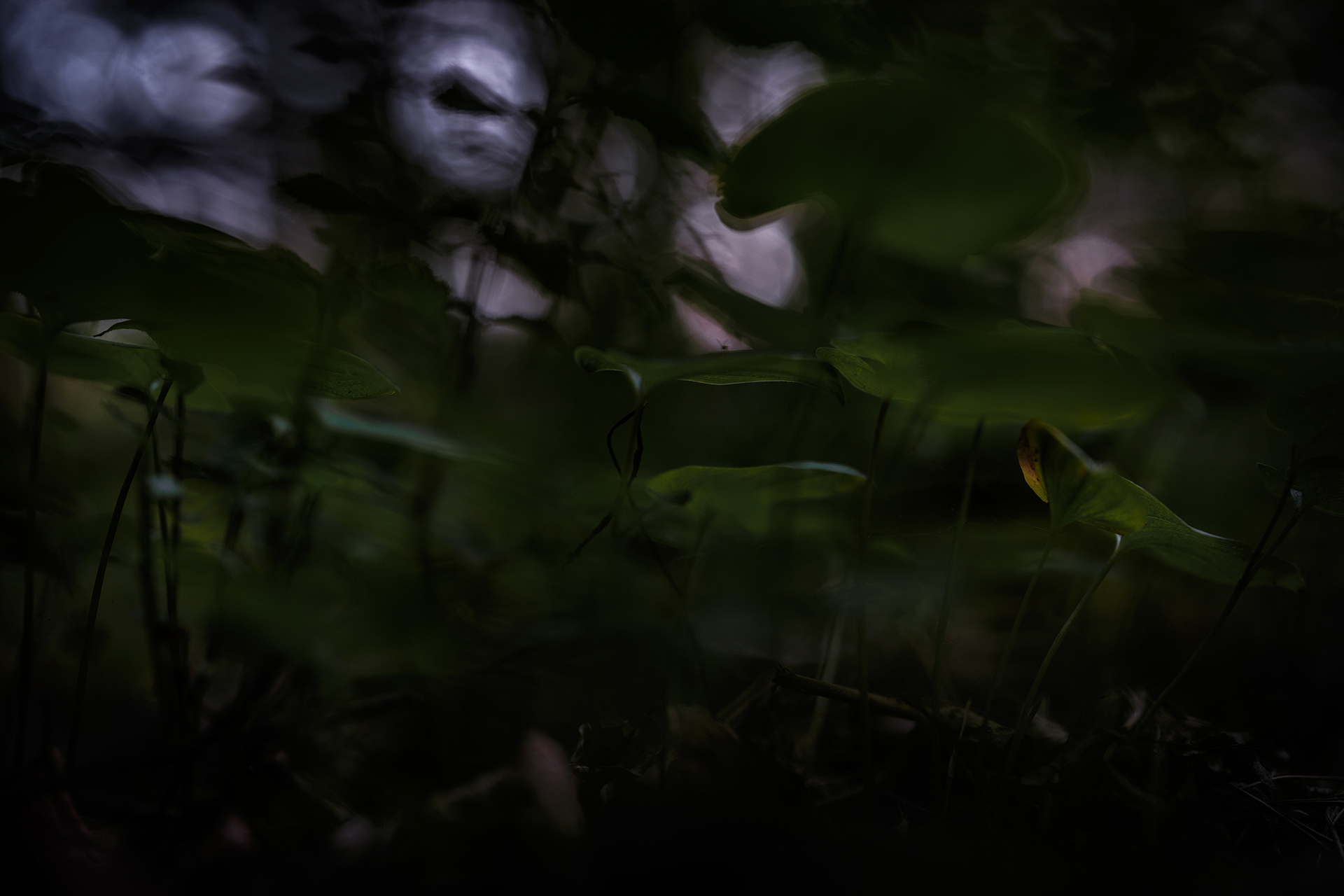
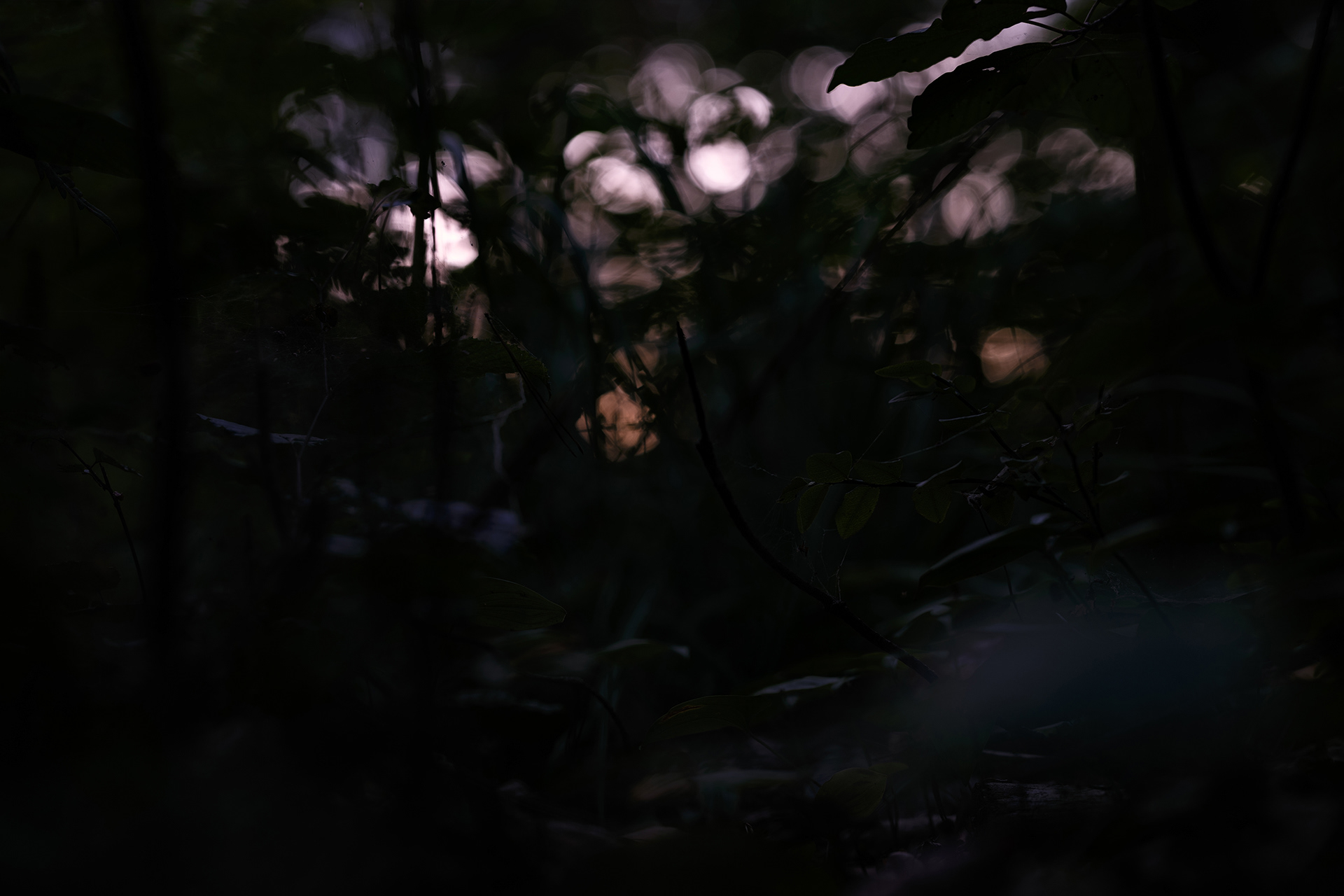
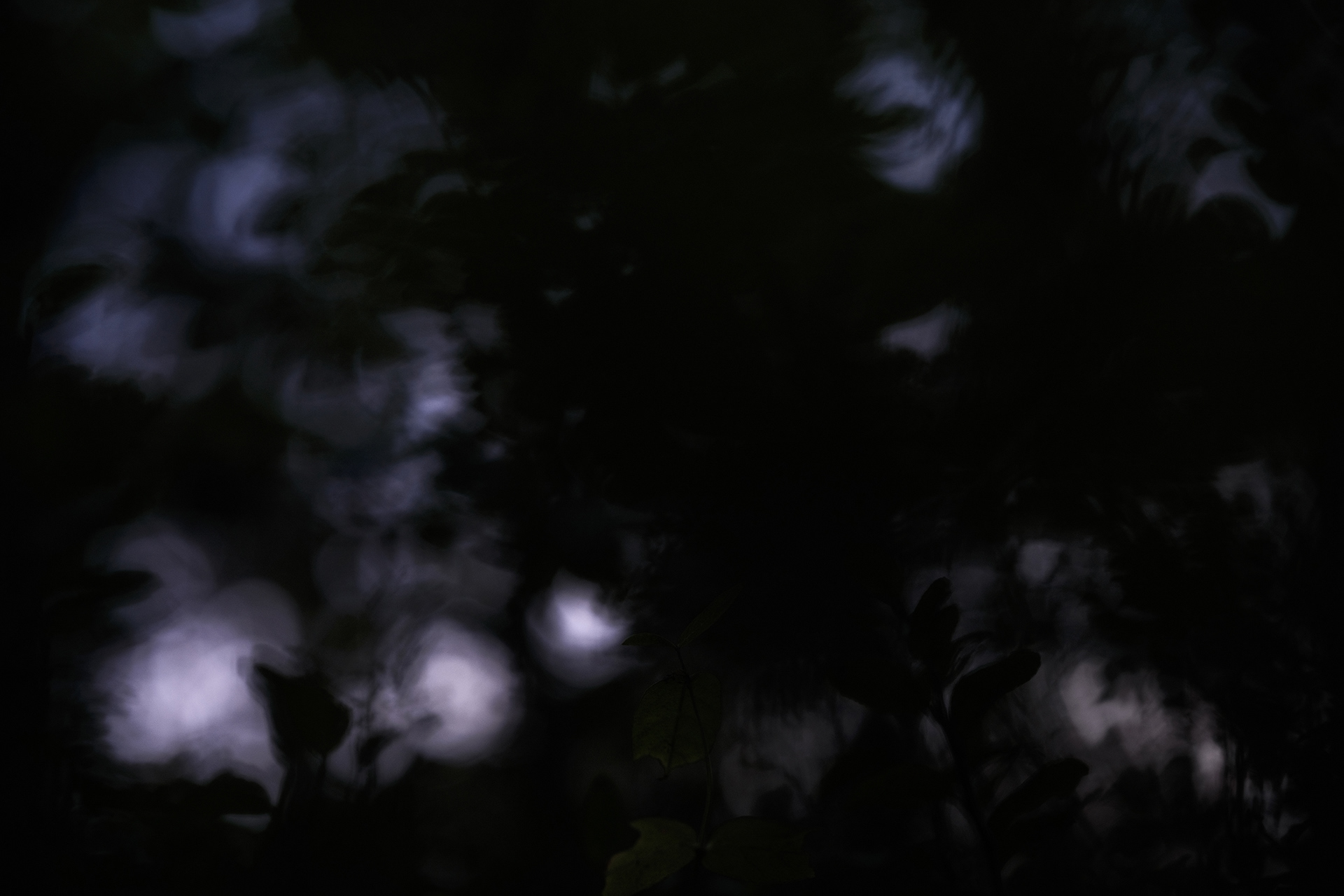
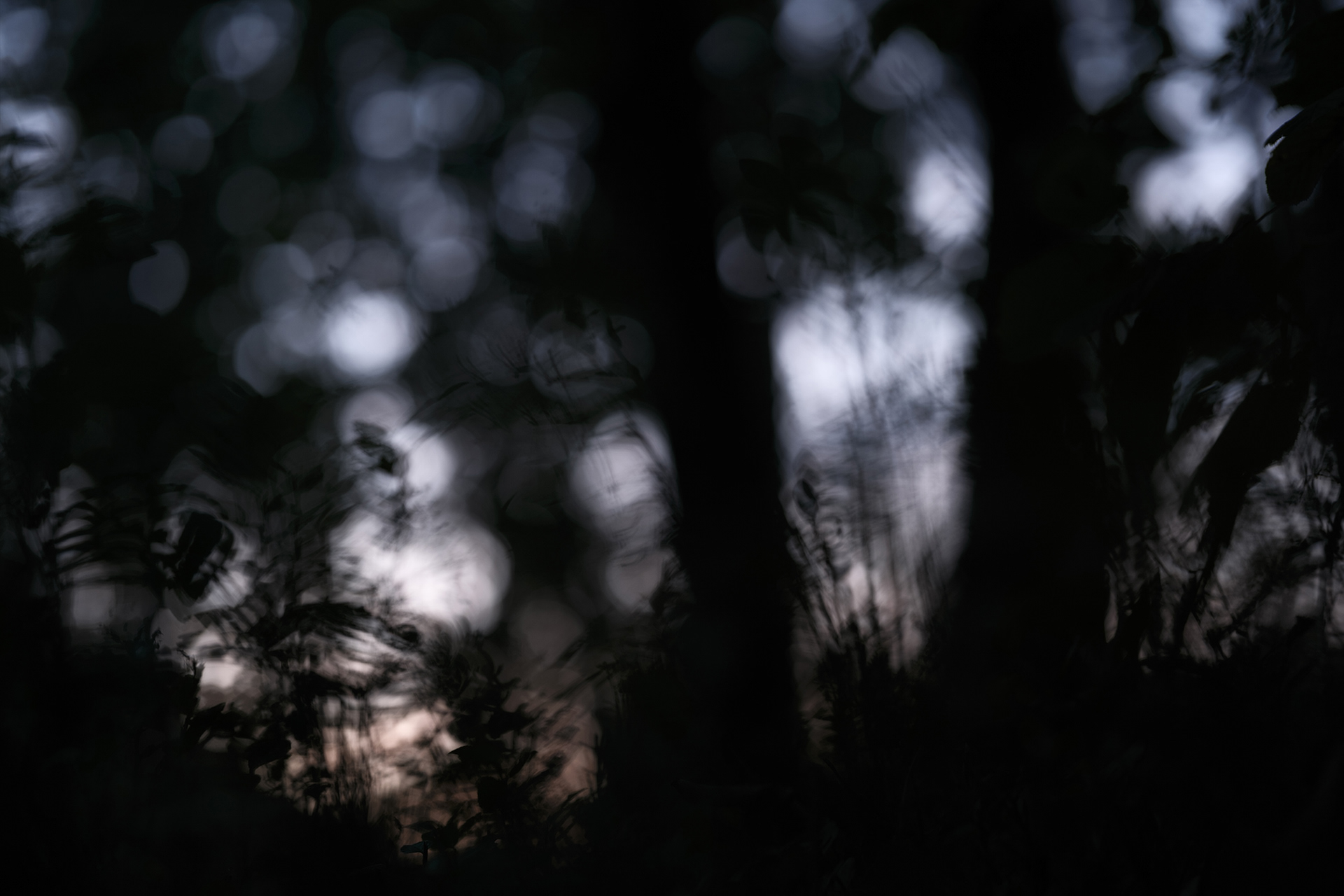
"Our Other Worlds" is a photographic triptych comprising three parts, a visual experiment and an attempt to provide empathetic insight into the reality of small creatures: the wood mouse and the great grey shrike. The series invites viewers to experience the perspective of these animals and enter their limited yet intensely dramatic world.
The centrepiece of the project is a scene captured two years earlier, titled "The Mystery of the Day Before." The photograph shows the body of a rodent – a wood mouse – suspended by its own entrails on a branch, being prey of the Great Grey Shrike, a bird of prey that uses this method to mark its territory, store food, and attract females of its species.
This experience initiated a photographic investigation: an attempt to reconstruct the daily lives of both the mouse and the great grey shrike, not as general representatives of their species, but as specific individuals, actors in a recorded event. The research took the form of fieldwork; in the case of the mouse, photographing an area limited to thirty metres around its burrow, near the documented find. The mouse spends most of its life in this area, rarely straying from its shelter. The photographs reflect the rodent's visual style and perspective: focused on the centre, with an expanded but blurred peripheral field of vision. The choice of dusk corresponds to the mouse's peak activity, and thus the time of greatest threat from predators.
The second part of the story presents the world through the eyes of a Great Grey Shrike (in progress). The area was limited to a radius of 300 metres from the discovery site. The maximum height of the photographs was 80 metres above ground level, which is the average cruising altitude of this bird. Some photographs were taken at 3 metres, the height at which the Great Grey Shrike is most often seen observing its surroundings. Its vision differs significantly from that of humans.
The bird sees within a 180-degree field, with a wide area of focus. Additionally, its retina, besides having receptors similar to those in humans, can perceive ultraviolet light, which aids in hunting.
The project demonstrates that even a small space can become a dramatic microcosm: a network of paths, landmarks, and micro-events. The viewer is invited to experience this world from the perspectives of both the mouse and the bird – creatures united by a shared history captured in the photograph "Mystery of the Day Before."
"Our Other Worlds" is not merely a story about a mouse and a hunting bird; it serves as an allegory for the broader experience of coexistence among all living beings. Each species has its own perspective, goals, and threats. However, all these worlds form a single, shared reality. The project highlights the need for empathy and respect for other life forms, recognising that what lies on the margins of nature for humans constitutes an entire universe for animals – full of beauty, but also constant threat.
When we learn more about other worlds, we are better able to understand and protect them.